



The idea is simple: everything you need every day (work, groceries, healthcare, coffee, a park) within 15 minutes of your front door. No car required. Cities across the globe are being redesigned around this principle, and it's moving faster than most people realize. Here's what the 15-minute city actually means, which cities are building it right now, and why a folding bike is a practical tool for living it today, even if your city isn't there yet.
What Is the 15-Minute City
Urban planner Carlos Moreno introduced the 15-minute city concept in 2016. The premise: residents should be able to reach six key daily functions within a 15-minute walk or bike ride from home, without needing a car.
The Six Daily Functions
|
Function |
What It Covers |
|
Living |
Quality housing near daily services |
|
Working |
Jobs, coworking spaces, or remote work access |
|
Shopping |
Grocery stores, markets, everyday retail |
|
Healthcare |
Clinics, pharmacies, basic medical care |
|
Education |
Schools, libraries, learning resources |
|
Leisure |
Parks, cafes, gyms, cultural spaces |
The model rests on four planning principles: density, proximity, diversity, and digitalization. The goal isn't to confine people to their neighborhoods. It's to design cities so that cars become a choice rather than a requirement.
Why This Concept Picked Up Speed
The COVID-19 pandemic brought the idea into mainstream policy discussion fast. When people were spending more time close to home, many discovered their neighborhoods either had what they needed, or didn't. Cities that had already invested in walkable, bikeable infrastructure fared better. Since 2020, the C40 Cities network has promoted the 15-minute city as a framework for urban climate recovery, and hundreds of mayors globally have adopted some version of the concept.

Which Cities Are Already Doing This
Paris, France
Mayor Anne Hidalgo made the 15-minute city central to her 2020 re-election platform and has been building toward it since. Paris now has over 1,000 km (620 miles) of cycling paths, and the city's 2021–2026 Bike Plan committed 250 million euros (about $270 million) to add another 180 km (112 miles) of protected lanes. Car trips in Paris have dropped by roughly 45% since 1990, and cycling now accounts for 11.2% of trips within the city, compared to 4.3% by car (Institut Paris Région, 2024).
Portland and Seattle, USA
Portland's "Complete Neighborhoods" framework, built around walkability and cycling access, has shaped city planning since the early 2010s. In Washington state, Kirkland developed a "10-Minute Neighborhood Analysis" tool in 2015 to guide its long-term planning. Both cities treat cycling infrastructure as core transportation investment, not an optional extra.
Bogotá, Colombia
Bogotá's Ciclovía has been running every Sunday since December 1974. Over 120 km (75 miles) of main streets close to cars from 7 a.m. to 2 p.m. every Sunday and public holiday, with city estimates showing roughly 2 million people (about 20% of the city's population) taking part each week. The program helped build out a permanent bike lane network that is now among the most extensive in Latin America, proving that car-free city living is not a European idea.
The Common Thread
In each case, cycling sits at the center of the transport model, not at the edges. Bike lanes, protected routes, and multi-modal connections aren't afterthoughts in these cities. They're the infrastructure that makes the 15-minute city functional. City policies drive that, so do the choices individual riders make.
However, you don't have to live in Paris or Portland for this to matter. The real question is how much further you can actually get in 15 minutes, and that's where the math changes everything.
How Far Can You Go in 15 Minutes on a Bike
The 15-minute city is built around a 15-minute radius. The size of that radius depends entirely on how you move.
Walking vs. Cycling: The Coverage Gap
Most people walk at around 3 mph (5 km/h). On a bike in urban traffic, a realistic average is 10–12 mph (16–19 km/h), accounting for traffic lights and stops.
|
Mode |
Distance in 15 Minutes |
Coverage Area |
|
Walking |
~0.75 mile (1.2 km) |
~1.8 sq miles (4.7 sq km) |
|
Cycling (urban avg.) |
~2.5 miles (4 km) |
~19.6 sq miles (50.8 sq km) |
Within the same 15 minutes, cycling covers about 11 times more city within reach.
For most American urban commuters, a 2.5-mile cycling radius already covers the majority of daily destinations: grocery stores, coffee shops, transit stops, clinics, and parks. The city's planning doesn't need to be finished for this math to work in your favor today.
Why Folding Changes the Equation
A standard bike already expands your radius. The problem is what happens when you get there, and on the days things don't go as planned. A folding bike expands your range and removes the three friction points that cause most people to stop bike commuting after a few weeks:
l No place to store it at work? A folded commuter bike fits under a desk, in a closet, or in a car trunk. No outdoor rack needed.
l What if it rains or plans change? Fold it and take the subway or bus. The bike comes with you, so a bad weather day doesn't mean you're stranded.
l Theft risk? When the bike comes inside with you, there's no lock-it-and-hope situation. That removes the most common reason people stop riding entirely.
These aren't convenience extras. They're what make folding bike commuting something you can sustain long-term, rather than try for two weeks and set aside.
What You Can Do Today Without Waiting for Your City
Cities take years to reshape their infrastructure. Your 15-minute radius doesn't have to wait that long.
Map Your Own 15-Minute Radius
Open any map app. Set your home as the center. Draw a circle at 0.75 miles (walking range) and another at 2.5 miles (cycling range). Then count how many of the six daily functions fall inside the larger circle. Most people find considerably more destinations within cycling range than they expected, and realize many trips they currently drive are well within reach.
Pick One Car Trip to Replace
Research on behavioral change consistently shows that replacing a single habit is far more sustainable than attempting a full lifestyle overhaul. Find the car trip you make most often that falls within 2–3 miles (3–5 km) of home. Try replacing it by bike for two weeks. Start there.
Make Multi-Modal Days Your Default
On days when cycling the full route isn't realistic (bad weather, heavy cargo, long distance), a folding bike still works. Ride to a transit stop, fold, take the train or bus, unfold, ride the last stretch. The "but what about rain" objection disappears when the bike folds down compactly enough to board the subway with you.
Treat Your Bike as Personal Infrastructure
City-level 15-minute planning takes budget cycles, political will, and years of construction. Your personal 15-minute radius takes a bike and a slightly different route. The city is building toward the vision at its own pace. You don't need to wait for it.
Start Your 15-Minutes Ride
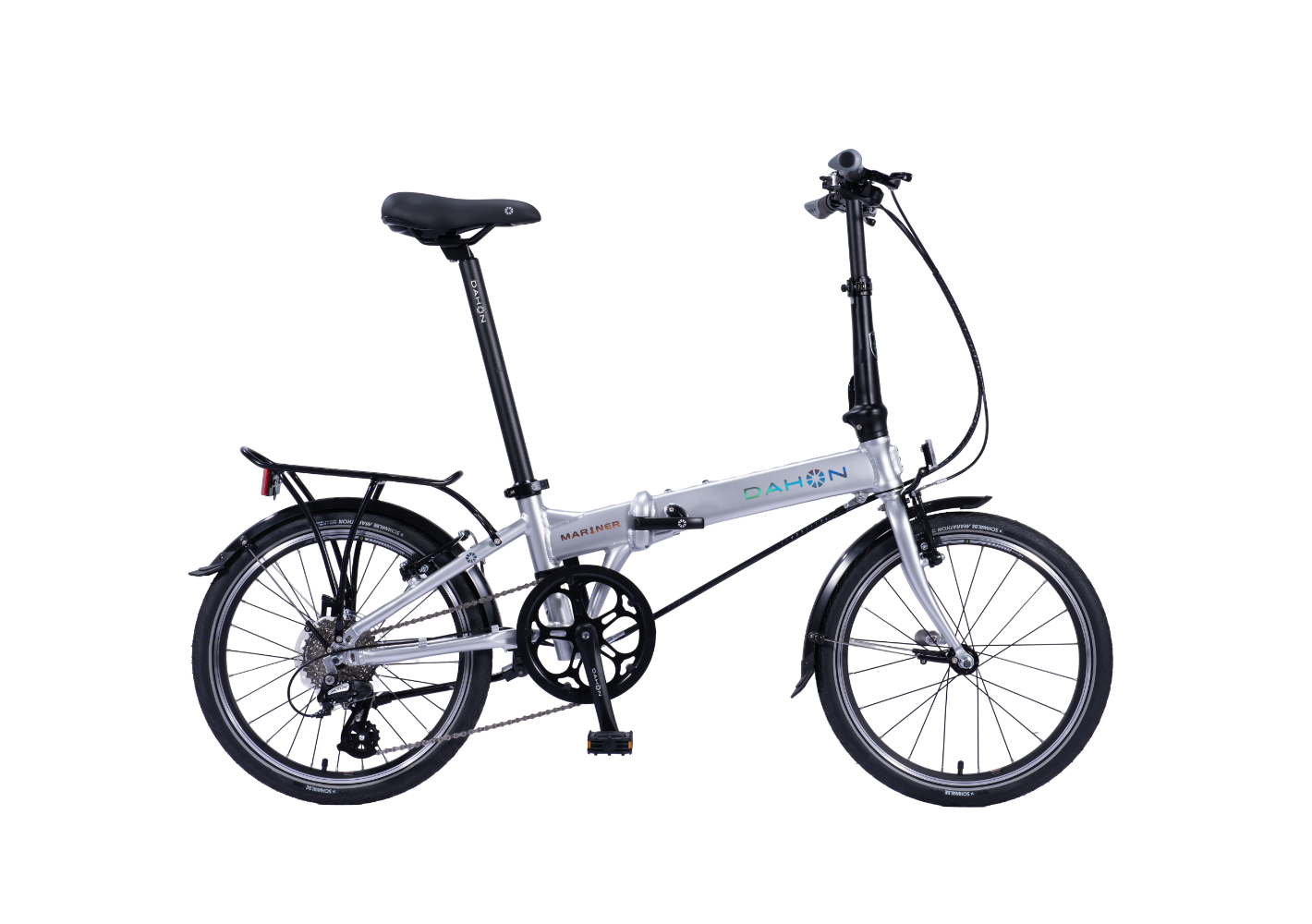
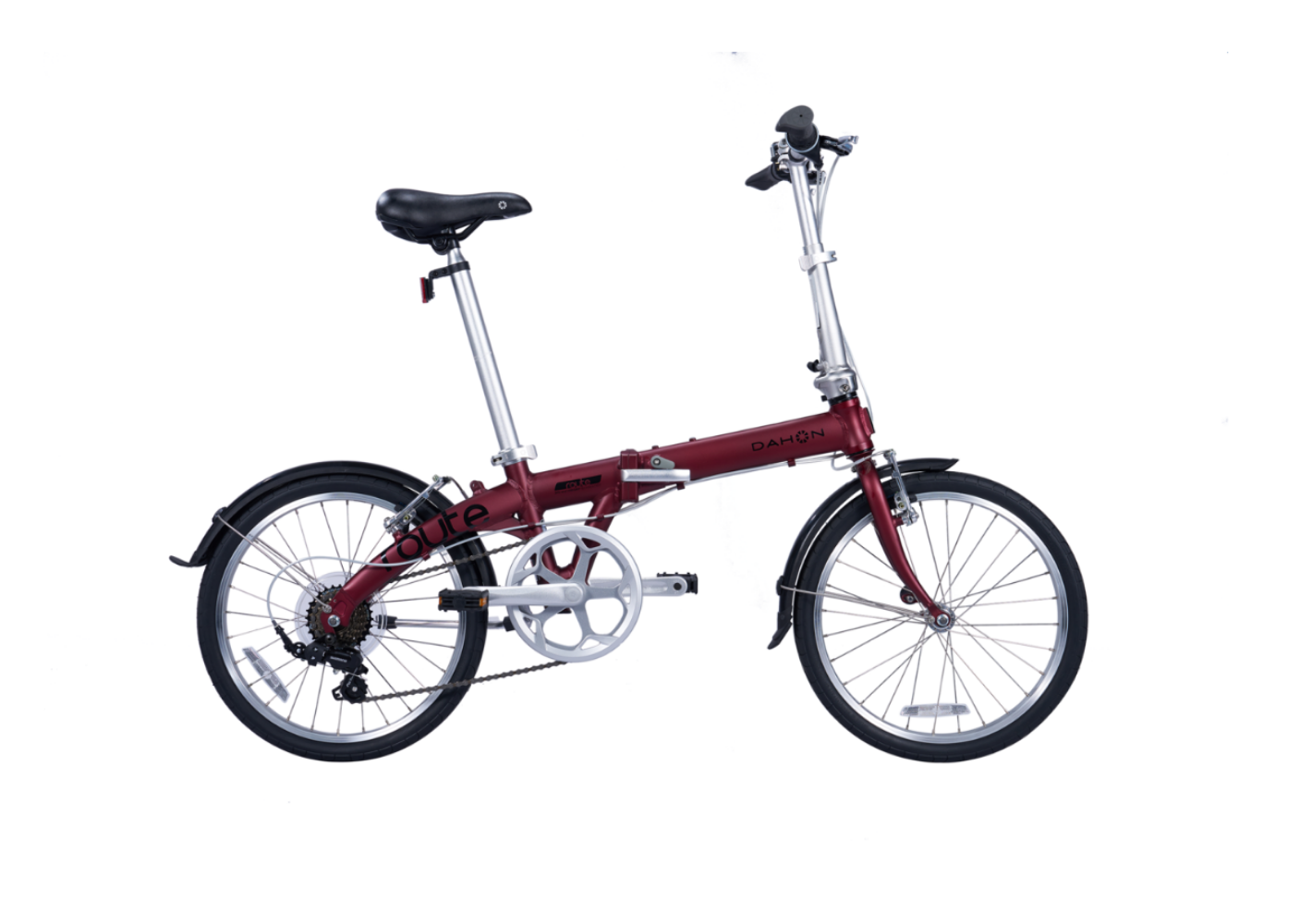
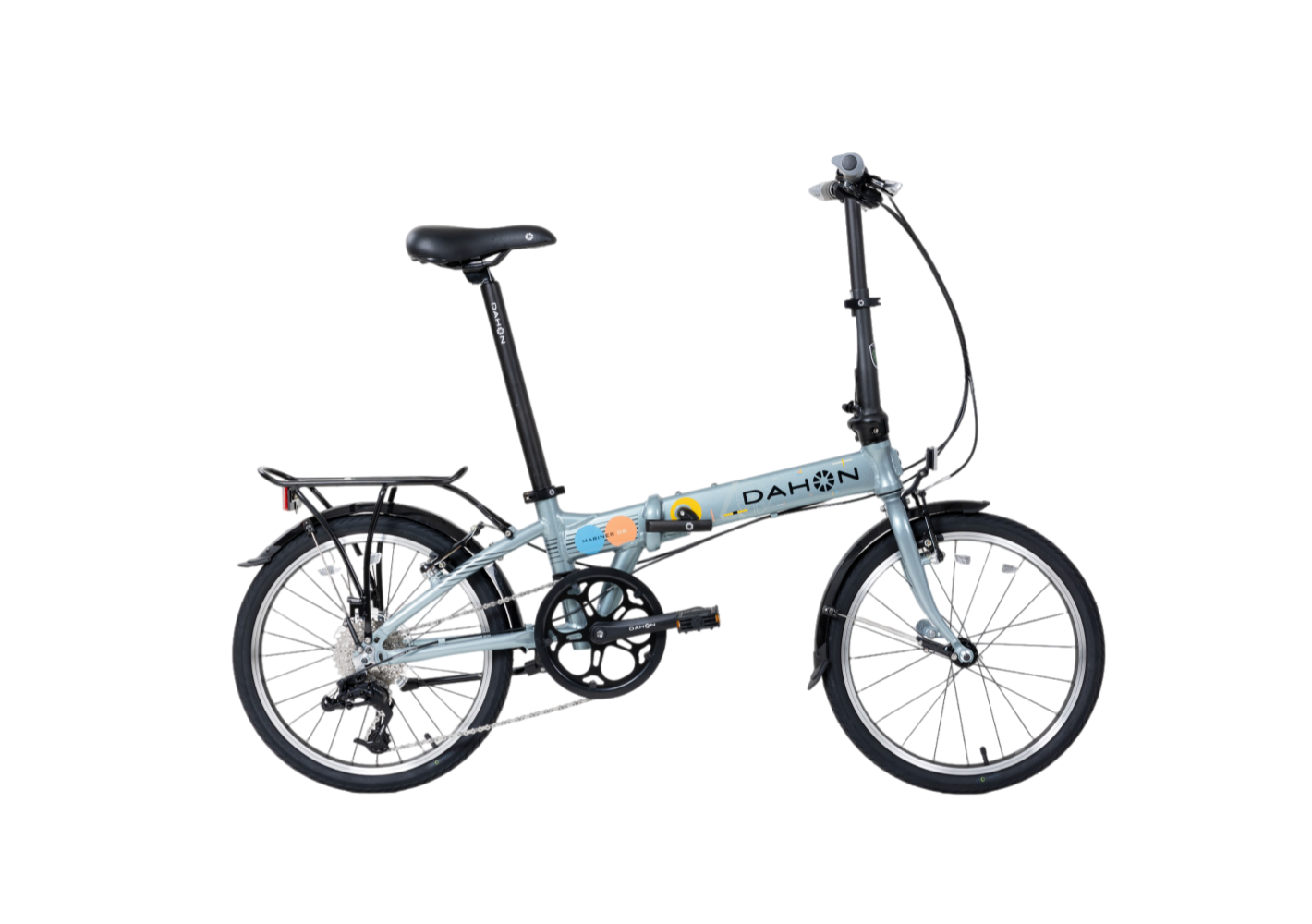
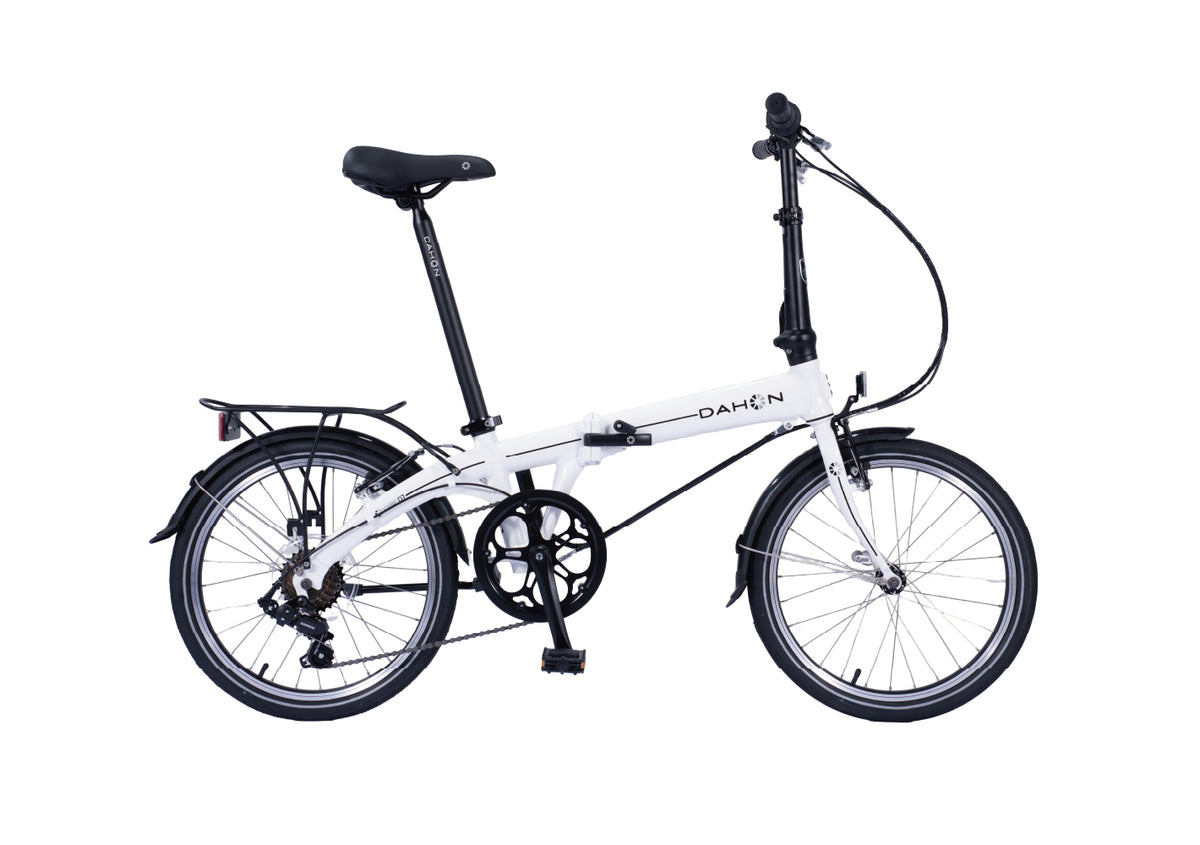
The 15-minute city isn't waiting to be invented. It's being built, in cities that are making cycling the center of their transport infrastructure. You don't need to wait for your city to finish. A folding bike extends your personal 15-minute radius today. This Earth Day, that's a practical place to start. See DAHON's full folding bike lineup at Dahon Folding Bikes.

Frequently Asked Questions
Q1: Is the 15-Minute City a U.S. Concept or Only European?
The principle applies across cities of all types. Portland, Seattle, Kirkland (WA), Minneapolis, and Cleveland are among U.S. cities that have adopted planning frameworks built around walkable, bikeable neighborhoods. Cleveland's mayor announced in 2022 an ambition to make it the first North American city to fully implement a 15-minute city planning framework, and the city has been actively working toward that goal. The concept adapts to different city layouts and cultures.
Q2: Do I Need to Live Downtown for This to Apply to Me?
Not at all. Many inner suburbs have more cycling-accessible destinations than residents realize; they've typically driven to them out of habit. Mapping your actual 2.5-mile cycling radius tends to be more encouraging than people expect.
Q3: What Makes a Folding Bike Better Than a Standard Bike for This Kind of Commuting?
The key difference is what happens at the destination. A standard bike gets locked outside, exposing it to theft and weather risk. A folding bike comes inside with you, and it boards public transit when needed. For mixed-mode commuting (part ride, part train), the folding format removes most of the logistical barriers that cause people to abandon bike commuting.
Q4: Is the 15-Minute City Controversial?
The planning concept itself (putting daily services closer to residents and reducing the necessity of car use) has broad support in urban planning and policy circles. In 2023, some online communities mischaracterized it as a tool for restricting movement. That interpretation doesn't reflect what the concept actually describes: more access and more options, not fewer. Carlos Moreno, who developed the idea, has framed it as expanding freedom of choice, not limiting it.
Q5: How Long Does It Take for a City to Actually Build This Out?
Cycling infrastructure can shift within a single budget cycle. Paris added hundreds of kilometers of protected lanes in under two years during and after the pandemic. For individual riders, a folding bike makes the timeline irrelevant: it extends your personal 15-minute radius today, regardless of what your city has or hasn't built.



Share:
Mariner HD Wins d&i Award at 2026 Taipei Cycle — DAHON Debuts Breakthrough Folding-Bike Tech
How DELTECH is Redefining What Folding Bike Can Achieve